Why We Built Mealyze: An AI-Native Approach to Nutrition
The Pain: Nutrition Tracking Shouldn't Feel Like a Second Job
You know you should track what you eat. Your doctor mentioned it. Your trainer recommended it. Every health article you've read emphasizes it. But here's the reality: you've tried at least one nutrition app, logged meals religiously for maybe three days, and then... stopped.
It wasn't laziness. It was exhaustion.
Manually searching databases of hundreds of thousands of foods, measuring portions, weighing ingredients, calculating macros, and typing everything into tiny form fields—this isn't health management. It's data entry. And data entry is nobody's idea of sustainable behavior change.
The fundamental promise of nutrition tracking—that awareness drives better choices—is sound. The execution has been broken from the start. We've asked people to become amateur nutritionists and meticulous accountants just to understand what they're putting in their bodies. For most people, this cognitive load is simply too high. The apps gather dust. The goals fade. The cycle repeats.
This is the problem that haunted us at Leader AI Labs when we started exploring the HealthTech space in 2023.
The Why: Traditional Nutrition Apps Were Built for the Wrong Era
Let's be clear about why existing solutions fail. It's not a motivation problem. It's an architecture problem.
Traditional nutrition apps were built in the smartphone era, but they think like desktop software from 1998. They're essentially mobile front-ends to static databases. The user does all the cognitive work: identifying the food, estimating the portion, finding the right database entry among dozens of similar options (is it "chicken breast, grilled" or "chicken breast, skinless, grilled, homemade"?), and logging each component of a complex meal separately.
These apps optimized for database completeness, not user effort. They compete on having 10 million foods in their libraries, as if a bigger haystack makes the needle easier to find.
The portion estimation problem alone is absurd. Studies show people are remarkably bad at eyeballing serving sizes. Was that 4 ounces of salmon or 6? Is a "medium" apple 150 grams or 200? These tiny uncertainties compound across meals and days, rendering the entire exercise pseudo-scientific at best.
Then there's the restaurant problem. Order a custom salad or a prepared meal from a local restaurant, and you're left guessing at ingredients and proportions. The apps offer approximations and averages that often bear little resemblance to what's actually on your plate.
The result? Friction at every step. And friction is the enemy of habit formation. When a healthy behavior requires five minutes of tedious work multiple times per day, every single day, it's not a solution—it's a burden people will inevitably abandon.
We knew there had to be a better way. Not an incremental improvement. A fundamental rethinking.
The Conviction: AI Could Finally Make This Effortless
At Leader AI Labs, we build AI-native products—software that could not have existed before the recent breakthroughs in foundation models and computer vision. We don't bolt AI onto existing workflows as a feature. We rebuild the entire product experience around what AI makes possible.
When we examined nutrition tracking, we saw a problem perfectly suited for an AI-native solution:
- Computer vision had reached human-level food recognition. Modern models could identify not just "salad" but specific ingredients, preparations, and plating styles.
- Portion estimation could be automated. Using visual references and depth perception algorithms, AI could calculate volumes and weights from photos more consistently than human estimation.
- Natural language understanding had matured. People could describe meals conversationally, and AI could parse meaning, ask clarifying questions, and extract nutritional intent.
Most importantly, we believed the friction could be reduced from minutes to seconds. A photo. A quick confirmation. Done.
This wasn't about building a better food database. It was about eliminating the database problem entirely by making the AI do the lookup, recognition, and calculation work invisibly.
The Fix: How Mealyze Works
Mealyze is our answer to the nutrition tracking problem—built from the ground up as an AI-native product.
Here's what that means in practice:
Snap, Don't Search
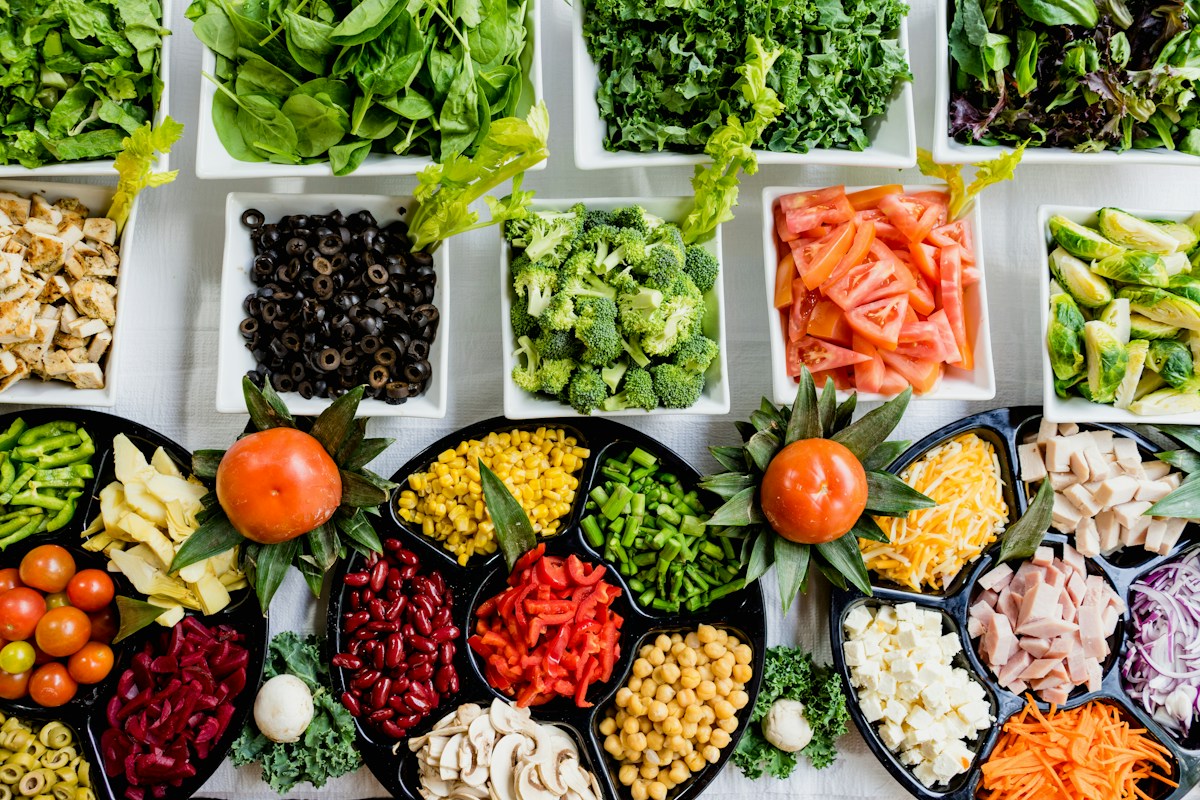
Take a photo of your meal. Mealyze's computer vision models analyze the image and identify the components. The AI recognizes not just broad categories but specific foods: is that brown rice or quinoa? Grilled chicken or baked? The system estimates portions using visual cues in the photo—the size of your plate, the depth of the bowl, reference objects in frame.
You're not scrolling through database results. You're confirming or lightly editing what the AI detected. The cognitive burden shifts from you to the machine.
Conversational Corrections
If the AI gets something wrong—maybe it labeled your turkey as chicken, or missed a side item—you simply tell it. Natural language processing handles the correction. "That's turkey, not chicken" or "Add a handful of almonds" works just fine. No forms. No search bars.
The AI learns context over time. Your regular breakfast. Your favorite restaurant order. The regional foods you eat often. The system gets smarter about your specific patterns.
Nutritional Intelligence, Not Just Data
Mealyze doesn't just log macros. It provides insight. The AI identifies patterns—maybe you consistently under-eat protein at breakfast, or your fiber intake drops on weekends. It can flag potential nutrient gaps or highlight positive streaks.
Because the AI understands food in context, not just as database entries, it can answer questions like "How can I make this meal higher in protein?" or "What would happen if I swapped the rice for cauliflower rice?" with specific, actionable suggestions.
Built for Real Life
Restaurant meals, homemade recipes, meal prep containers, social dining—Mealyze handles them all with the same photo-first workflow. No special modes. No switching between manual entry and scanning. The AI adapts to whatever you're eating, wherever you're eating it.
This is what an AI-native product means: the technology disappears, and you're left with a tool that feels effortless.
Why We Built This
At Leader AI Labs, we only build products we believe should exist in the world—solutions to problems that genuinely matter and that frontier AI can uniquely solve.
Nutrition tracking matters. Food is medicine. Awareness drives behavior change. But the old tools were too broken to deliver on that promise for most people.
We built Mealyze because we believed the technology had finally caught up to the ambition. We believed that computer vision, natural language processing, and nutritional AI models could combine to make tracking so low-friction that it actually gets done. Daily. Consistently. Without burnout.
This is product thinking, not consulting. We're not customizing solutions for individual clients. We're building one exceptional tool that works for everyone because the AI inside it adapts to each person's reality.
Mealyze is the nutrition tracker you'll actually use—not because you have more willpower this time, but because the product itself has fundamentally changed.
Try Mealyze Today
If you've ever abandoned a nutrition app because logging felt like work, Mealyze was built for you.
Snap a photo. Let AI handle the rest. Start building the awareness that drives real, lasting change.
Get started at mealyze.com.